
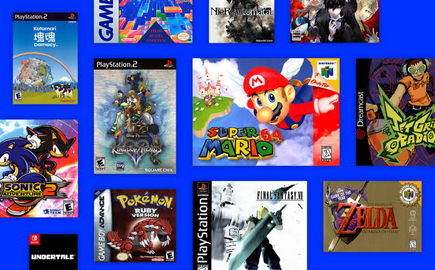
Video game music used to be a niche. Something dismissed as “chiptune background noise” by critics who took film scores seriously. Not anymore. In 2026, video game soundtracks routinely outsell major pop releases in Japan, sell out concert halls in Tokyo and London, and produce Spotify playlists with millions of monthly streams. Composers like Nobuo Uematsu, Koji Kondo, and Yoko Shimomura are recognized alongside Hans Zimmer and John Williams as some of the most influential composers of the last 50 years. And when Clair Obscur: Expedition 33 dropped in 2025 with a score so staggering it sent critics scrambling to recalibrate what game music could be, it just confirmed what serious listeners have known for decades — video game music is one of the most important musical mediums of our time.
Below are 10 of the greatest video game soundtracks ever composed — a mix of legendary classics that defined the medium, modern masterpieces that expanded its possibilities, and one or two recent additions that already belong in this pantheon. Each one is worth listening to in full, on quality headphones or speakers, whether you’ve played the game or not. Whether you want to expand your musical horizons, appreciate an underrated art form, or just find new tracks for your gaming playlist, these are the soundtracks that prove video games have long been serious music.
1. Final Fantasy VI (1994) — Composer: Nobuo Uematsu
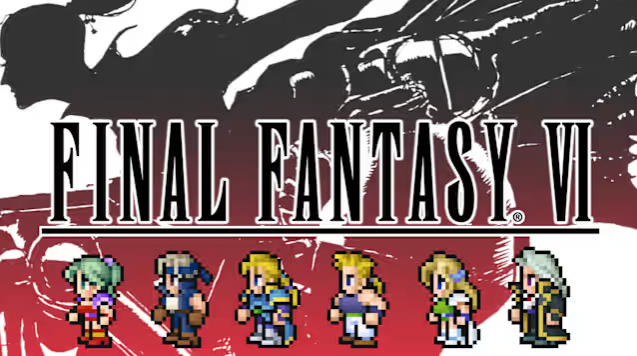
If you want to understand why Nobuo Uematsu is considered the John Williams of video game music, start here. Composed in 1994 on hardware that could produce exactly six simultaneous audio channels, Final Fantasy VI’s score somehow wrote music that still makes players cry over 30 years later. Every character in the game gets their own leitmotif — their own musical identity — and the way these themes collide across the game’s second half mirrors the story’s emotional collapse with a precision most film composers never achieve.
The centerpiece is “Dancing Mad,” a 17-minute progressive rock opus that soundtracks the final boss fight — a genuine musical epic that grows more intense with each phase. Tracks like “Terra’s Theme,” “Aria di Mezzo Carattere,” and “Kefka’s Theme” have been performed by full orchestras worldwide. It’s the soundtrack that proved games could rival opera for emotional storytelling.
Listen on Spotify: Final Fantasy VI Soundtrack →
2. NieR: Automata (2017) — Composer: Keiichi Okabe
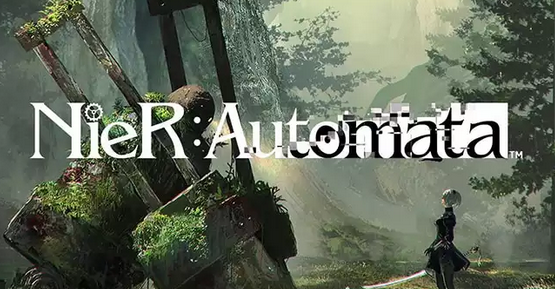
The soundtrack that hit #2 on Japan’s Oricon album charts — territory previously reserved for major pop releases. Keiichi Okabe’s score for NieR: Automata operates on a frequency that bypasses the brain and goes straight for the heart. The music shifts language literally as players move through the game’s layered realities, cycling between invented tongues, distorted vocals, and orchestral arrangements that feel both ancient and machine-made at once.
“Weight of the World” closes the game with a choir singing simultaneously in Japanese, English, French, German, and an invented language — a metaphor as obvious as it hits hard. Vocalist Emi Evans’s contributions across the NieR series (in an entirely invented language that combines Gaelic, Portuguese, and Spanish influences) create a soundworld unlike anything else in gaming. Concert tours regularly sell out worldwide. The pick for anyone who thinks video game music is limited.
Listen on Spotify: NieR Automata Soundtrack →
3. The Legend of Zelda: Ocarina of Time (1998) — Composer: Koji Kondo
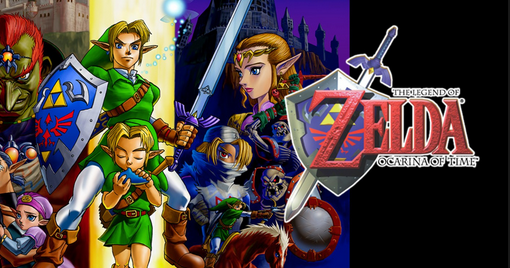
The most influential Zelda soundtrack of all time, and arguably the game that codified the entire “Zelda sound” that every subsequent entry has referenced. Koji Kondo’s compositions for Ocarina of Time include some of the most memorable melodies in gaming — “Zelda’s Lullaby,” “Song of Storms,” “Saria’s Song,” and the timeless “Gerudo Valley” have been performed by orchestras, remixed thousands of times, and taught to piano students worldwide.
What makes it special is how deeply the music is woven into gameplay — the ocarina itself is a gameplay mechanic, and the songs become spells that transform the world. It’s music that’s inseparable from the medium. Available on the Nintendo Music App with a Nintendo Switch Online subscription, or via various official releases. The pick for anyone building a foundation in gaming music history.
Listen on Spotify: Zelda Ocarina of Time Music →
4. Hades (2020) — Composer: Darren Korb
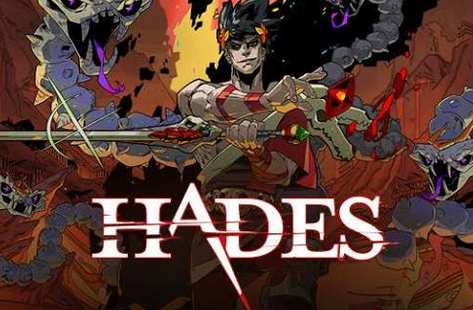
Darren Korb has been Supergiant’s in-house composer since Bastion, but with Hades he landed on something genuinely new: a sound that blends Mediterranean instrumentation, progressive rock, and modern electronic production into a soundtrack that feels ancient and futuristic simultaneously. “Good Riddance” — the game’s ending song performed by Ashley Barrett — became a genuine viral hit, appearing in wedding playlists and memorial services.
Tracks like “The Painful Way,” “Out of Tartarus,” and “God of the Dead” carry the emotional weight of a game about family, mythology, and rebellion. Korb also wrote the sequel’s soundtrack for Hades II (2024-2026 early access), which is already being recognized as another masterpiece. The pick for anyone who wants to understand the current peak of indie game music.
Listen on Spotify: Hades Soundtrack →
5. Clair Obscur: Expedition 33 (2025) — Composer: Lorien Testard

The 2025 masterpiece that critics scrambled to categorize. Lorien Testard’s score for Clair Obscur: Expedition 33 blends French chamber music, dark orchestral arrangements, jazz sensibilities, and Parisian bohemian energy into something that feels like a lost Debussy album filtered through modern game composition. It’s already being cited alongside the greatest scores in the medium — genuinely rare for a game less than two years old.
The soundtrack’s mix of intimate piano pieces, sweeping orchestral moments, and haunting vocal tracks captures the melancholy beauty of the game’s world. It’s the recent addition to this list that genuinely deserves inclusion. If you missed the game, at least don’t miss the music — it’s some of the most sophisticated composition to come out of gaming in a generation. The pick for classical music lovers who want to know what game music can achieve.
Listen on Spotify: Clair Obscur Soundtrack →
6. Undertale (2015) — Composer: Toby Fox
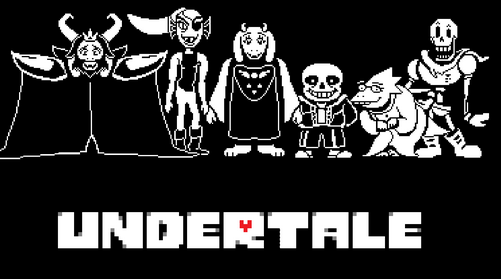
One of the greatest indie soundtracks of all time, single-handedly composed by Toby Fox alongside developing the entire game himself. The signature hit “MEGALOVANIA” transcended the game itself, achieving full-blown internet meme status in the 2010s and later being covered by orchestras, EDM producers, and thousands of YouTube pianists. Toby Fox even later composed “Megalovania” as a Smash Bros. remix, cementing its status in gaming history.
But the full Undertale soundtrack is far deeper than one viral track — 100+ compositions blending chiptune, EDM, ambient, and orchestral influences drawn from Zelda, Chrono Trigger, and MOTHER series inspirations. Tracks like “Hopes and Dreams,” “Bonetrousle,” and “Bergentrückung” showcase the range. Available across all streaming platforms. The pick for indie music lovers who want to understand DIY composition at its peak.
Listen on Spotify: Undertale Soundtrack →
7. Persona 5 (2017) — Composer: Shoji Meguro
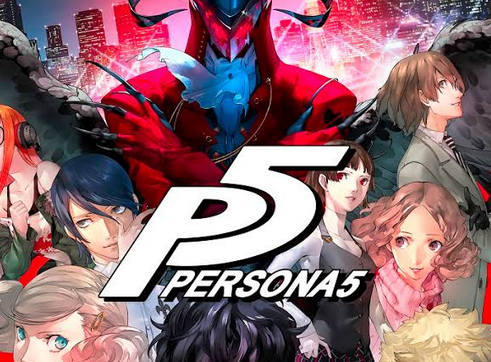
The soundtrack that made acid jazz cool again for an entire generation of gamers. Shoji Meguro’s compositions for Persona 5 span funk, jazz, hip-hop, and rock — a stylistic diversity extremely rare in game music. Vocals by Lyn Inaizumi bring genuine soul-singer quality to tracks like “Life Will Change” and “Rivers in the Desert” that would fit comfortably on any major R&B/soul release.
The soundtrack also perfectly captures the game’s Tokyo-cool aesthetic — you can hear the streets of Shibuya, the neon of Tokyo nights, the confidence of the Phantom Thieves. Persona 5 Royal added more tracks that continued the excellence. The full soundtrack is essential listening even without playing the game. The pick for anyone who wants their video game music with saxophone solos and jazz-fusion sensibilities.
Listen on Spotify: Persona 5 Soundtrack →
8. Chrono Trigger (1995) — Composers: Yasunori Mitsuda, Nobuo Uematsu

Yasunori Mitsuda’s debut composition project, which he reportedly worked on so intensely that he was hospitalized from exhaustion mid-development. The result? One of the most beloved soundtracks in gaming history. Chrono Trigger’s music — later expanded by Nobuo Uematsu when Mitsuda’s health forced him to step back — travels across time periods within the game itself, using distinct musical styles to represent prehistoric, medieval, present-day, and post-apocalyptic eras.
Tracks like “Corridors of Time,” “Frog’s Theme,” “Schala’s Theme,” and the extraordinary “To Far Away Times” (the ending theme) remain some of the most-remixed compositions in game music. The soundtrack has appeared on best-of-all-time lists constantly for 30 years. The pick for JRPG fans and anyone who wants to understand the golden age of Japanese game composition.
Listen on Spotify: Chrono Trigger Soundtrack →
9. Halo: Combat Evolved (2001) — Composer: Martin O’Donnell, Michael Salvatori
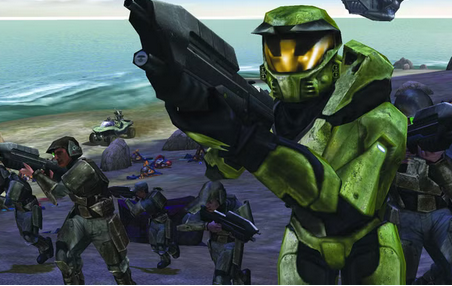
The soundtrack that gave Xbox its identity. Martin O’Donnell’s opening Gregorian chants for the Halo main theme are as iconic as any cinematic score of the 21st century — you’d immediately recognize the melody even if you’ve never touched an Xbox controller. The rest of the soundtrack blends chants, orchestral strings, tribal drums, and rock elements into a genuinely unique soundworld that defined how sci-fi shooters could sound.
O’Donnell’s work continued through Halo 2 and 3, cementing his legacy. The influence on subsequent AAA game scores — from Destiny to Mass Effect — is impossible to overstate. Also worth exploring: the Halo Symphony live performances and orchestral arrangements. The pick for anyone who wants to understand cinematic Western game music at its peak.
Listen on Spotify: Halo Combat Evolved Soundtrack →
10. Journey (2012) — Composer: Austin Wintory

The first video game score ever nominated for a Grammy Award. Austin Wintory’s soundtrack for Journey is a masterclass in emotional storytelling through music — 60 minutes of ambient, orchestral, and choral compositions that build alongside the player’s journey through the desert. The cello theme representing the player’s companion is genuinely heartbreaking when the two characters meet in-game.
What makes Journey special is that the music dynamically adapts to gameplay — it’s not just background score but genuinely responsive composition. Grammy voters recognized what gamers already knew: video game music had reached a level of artistic sophistication that deserved mainstream recognition. Available across all streaming platforms and highly recommended for headphone listening. The pick for anyone who wants proof that game music genuinely competes with the greatest film scores of the modern era.
Listen on Spotify: Journey Soundtrack →
How to Explore Video Game Music in 2026
Three tips for going deeper into this incredible art form. Start with full soundtrack listens, not highlight tracks. Video game music is often designed to work as complete extended compositions that build meaning across dozens of tracks. Listening to just “the popular one” from any given soundtrack misses 80% of what makes it special. Block out 90 minutes and listen to a whole score from start to finish — you’ll discover why these compositions belong on this list.
Explore live performance albums and orchestral rearrangements. Distant Worlds (Final Fantasy), Video Games Live, Symphony of the Goddesses (Zelda), and Pokemon Symphonic Evolutions all exist as recorded live concerts. Many of the compositions above have official orchestral rearrangements that reveal even more depth. Spotify and Apple Music have most of these available.
And check out modern composer interviews and behind-the-scenes content. Composers like Darren Korb, Yasunori Mitsuda, and Austin Wintory frequently do interviews explaining their creative process. Understanding how these scores were made adds enormous depth to appreciating them. YouTube channels like 8-bit Music Theory and Game Score Fanfare offer excellent analysis.
Final Summary: Which Video Game Soundtrack Should You Listen to First?
For most listeners in 2026, the smartest starting point is NieR: Automata — it’s the score that most convincingly proves games can create music unlike anything else in the medium. If you love orchestral cinematic scores, Final Fantasy VI and Journey are essential foundations. Zelda devotees should explore Ocarina of Time as the definitive Zelda score.
For indie music lovers, Hades and Undertale are unmissable modern classics. Persona 5’s acid-jazz soundtrack is unlike anything else on this list — genuine soul and funk that stands with the best genre releases of the century. And to understand where game music is going next, listen to Clair Obscur: Expedition 33 — the 2025 score that redefined what the medium is capable of. Add these to your Spotify library, discover ten more soundtracks branching out from these, and you’ll understand why video game music has quietly become one of the most important musical genres of our era.